
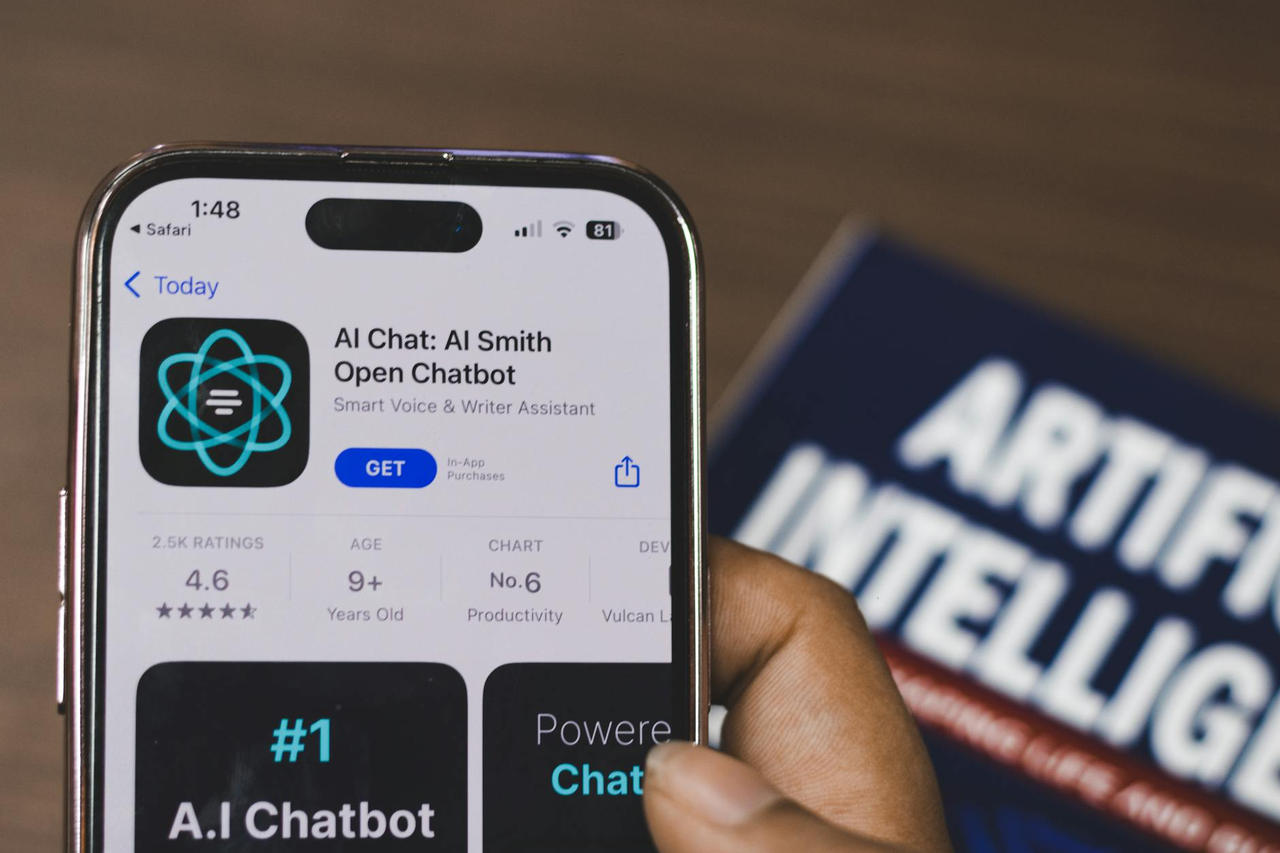
Artificial intelligence is no longer confined to science fiction—it’s reshaping how we work, communicate, and solve complex problems every day. From the personalized recommendations on your streaming service to advanced medical diagnostics, AI technology has become an invisible yet transformative force across virtually every sector of modern life. Whether you’re a business leader exploring AI implementation or simply curious about how these intelligent systems operate, understanding artificial intelligence is essential for navigating our increasingly automated world.
What Is Artificial Intelligence and How Does It Work
Artificial intelligence refers to computer systems designed to perform tasks that typically require human intelligence. These tasks include learning from experience, recognizing patterns, understanding natural language, making decisions, and solving problems. At its core, AI technology enables machines to mimic cognitive functions that we associate with human minds.
AI systems work through a combination of large datasets, powerful computing resources, and sophisticated algorithms. The most common approach involves machine learning, where systems improve their performance through experience without being explicitly programmed for every scenario. Instead of following rigid rule-based instructions, machine learning algorithms identify patterns in data and use those patterns to make predictions or decisions about new information.
The fundamental process involves training an AI model on labeled data, allowing it to recognize relationships between inputs and outputs. For example, an AI system trained on thousands of images labeled “cat” or “dog” learns to distinguish between the two animals by identifying distinctive features. Once trained, the system can classify new, unseen images with remarkable accuracy.
Deep learning, a subset of machine learning, uses artificial neural networks inspired by the human brain’s structure. These networks contain multiple layers that process information hierarchically, enabling AI applications to handle increasingly complex tasks like understanding speech, translating languages, and generating creative content.
Types of AI: Narrow AI, General AI, and Superintelligence
Understanding the different categories of artificial intelligence helps clarify both current capabilities and future possibilities. AI systems are generally classified into three broad types based on their scope and capabilities.
Narrow AI (Weak AI)
Narrow AI, also called weak AI, refers to systems designed to perform specific tasks within defined parameters. This is the only type of AI that currently exists in practical applications. Virtual assistants like Siri and Alexa, recommendation algorithms on Netflix, spam filters in email, and autonomous vehicles all represent narrow AI. These systems excel at their designated functions but cannot transfer their learning to unrelated domains. A chess-playing AI, no matter how sophisticated, cannot suddenly compose music or diagnose diseases.
General AI (Strong AI)
General AI, or strong AI, represents hypothetical systems with human-like intelligence capable of understanding, learning, and applying knowledge across diverse domains. An artificial general intelligence could theoretically perform any intellectual task that a human can, adapting to new situations and transferring knowledge between different contexts. Despite significant progress in narrow AI, artificial general intelligence remains theoretical, with researchers debating whether we’ll achieve it within decades or centuries.
Superintelligence
Superintelligence describes AI that surpasses human intelligence across all domains—creativity, problem-solving, social intelligence, and general wisdom. This remains purely speculative and raises profound questions about control, safety, and the future relationship between humans and machines. Most AI researchers consider superintelligence a distant possibility requiring breakthroughs we cannot currently anticipate.
Current AI Applications Across Industries
Artificial intelligence has moved far beyond research laboratories to become a practical tool driving innovation across virtually every industry. The breadth of AI applications continues to expand as organizations discover new ways to leverage intelligent systems.
In healthcare, AI technology assists with medical imaging analysis, drug discovery, personalized treatment plans, and early disease detection. Machine learning algorithms can identify patterns in radiological images that human eyes might miss, leading to earlier cancer diagnoses and improved patient outcomes.
The financial services sector employs AI for fraud detection, algorithmic trading, credit scoring, and customer service chatbots. These systems process millions of transactions in real-time, identifying suspicious patterns and protecting consumers from financial crimes with unprecedented accuracy.
Retail businesses use AI applications for inventory management, demand forecasting, personalized marketing, and customer experience optimization. Recommendation engines analyze browsing history and purchase patterns to suggest products tailored to individual preferences, significantly boosting sales conversion rates.
Manufacturing has embraced AI for predictive maintenance, quality control, supply chain optimization, and robotics. Smart factories use sensors and AI systems to predict equipment failures before they occur, reducing costly downtime and improving operational efficiency.
The transportation industry is being revolutionized by autonomous vehicles, route optimization, and traffic management systems. While fully self-driving cars remain in development, AI already powers advanced driver assistance features that enhance safety on roads worldwide.
How to Implement AI in Your Business or Workflow
Successfully integrating artificial intelligence requires strategic planning and a clear understanding of your objectives. Following a structured approach increases the likelihood of achieving meaningful results from AI implementation.
Begin by identifying specific problems or opportunities where AI technology can add value. Rather than implementing AI for its own sake, focus on concrete business challenges like reducing customer service response times, improving forecast accuracy, or automating repetitive tasks. Clear, measurable goals provide direction and help evaluate success.
Assess your data infrastructure, as machine learning algorithms require substantial amounts of quality data to function effectively. Audit existing data sources, establish collection processes for missing information, and implement governance practices to ensure data accuracy and compliance with privacy regulations.
Consider whether to build custom AI solutions or leverage existing platforms and services. For most organizations, pre-built AI tools and cloud-based services from providers like Microsoft Azure, Google Cloud, or AWS offer faster implementation with lower technical barriers. These platforms provide APIs for common AI applications like natural language processing, image recognition, and predictive analytics.
Start with pilot projects that deliver quick wins while building organizational AI capabilities. Small-scale implementations allow teams to learn, iterate, and demonstrate value before committing to larger investments. This approach also helps build internal support and expertise gradually.
Invest in training and change management to ensure your team can effectively work alongside AI systems. Successful AI adoption requires both technical skills and cultural adaptation, as workflows and roles may shift significantly.
Ethical Considerations and the Future of AI
As artificial intelligence becomes more powerful and pervasive, addressing ethical concerns becomes increasingly critical. These considerations will shape how AI technology evolves and integrates into society.
Bias in AI systems represents a significant challenge, as algorithms trained on historical data can perpetuate or amplify existing societal prejudices. Facial recognition systems have shown lower accuracy for certain demographic groups, while hiring algorithms have exhibited gender bias. Addressing these issues requires diverse development teams, careful data curation, and ongoing monitoring of AI system outputs.
Privacy concerns arise as AI applications process ever-larger amounts of personal information. Balancing the benefits of personalized AI services with individual privacy rights demands robust data protection frameworks and transparent practices about how information is collected, stored, and used.
The impact of AI on employment generates both anxiety and opportunity. While automation may displace certain jobs, artificial intelligence also creates new roles and enhances productivity in ways that can elevate human work. Preparing the workforce through education and reskilling programs will be essential for navigating this transition.
Transparency and explainability present ongoing challenges, particularly as deep learning models become more complex. Understanding how AI systems reach conclusions is crucial for accountability, especially in high-stakes domains like healthcare, criminal justice, and financial services.
Looking ahead, artificial intelligence will continue advancing rapidly, with developments in natural language understanding, multimodal AI, and more efficient algorithms. Quantum computing may eventually accelerate AI capabilities beyond current imagination. The key to a positive AI future lies in developing these technologies responsibly, with human values and societal benefit as guiding principles.
Ready to explore how artificial intelligence can transform your organization? Start by evaluating your most pressing challenges and investigating AI solutions designed for your industry. The journey toward AI implementation begins with education and experimentation—and the potential rewards for early adopters continue growing as the technology matures.